The gut and brain are in constant connection. The gut is often referred to as the “second brain.” The human body is an intelligent and interconnected system, where no organ works in isolation.
In fact, in everyday language, we commonly use phrases like “gut feeling” or “trust your gut.” In many cases, our gut feeling can be stronger and more accurate than our conscious thoughts.
Probiotics are good live microorganisms, including yeast and bacteria, that need prebiotic food, which consists of non-digestible fibers. Probiotic organisms live on prebiotic. Prebiotic support the growth of existing good bacteria in your gut.
The gut and brain are physically connected by the vagus nerve. This connection is like a high-speed fiber-optic cable that sends signals back and forth.
However, chemical messengers are arguably even more important.
- Serotonin: This is the “feel-good” neurotransmitter that regulates mood and sleep. Fact: 90–95% of your body’s serotonin is produced in your gut, not your brain.
- GABA: A neurotransmitter that helps control feelings of fear and anxiety. Certain gut bacteria help produce it.
If the gut is inflamed or unbalanced, it sends “distress signals” to the brain, potentially leading to anxiety, depression, and brain fog.
Around 70% of the immune system resides in the gut. When gut bacteria are balanced, inflammation is controlled. However, when harmful bacteria dominate, chronic inflammation can develop.
In Simple Terms
- Probiotics = Good bacteria
- Prebiotics = Food for good bacteria
Benefits of Probiotics
- Improve digestion and nutrient absorption
- Strengthen the immune system
- Reduce gut inflammation
- Support mental health and mood
- Help prevent harmful bacteria from overgrowing
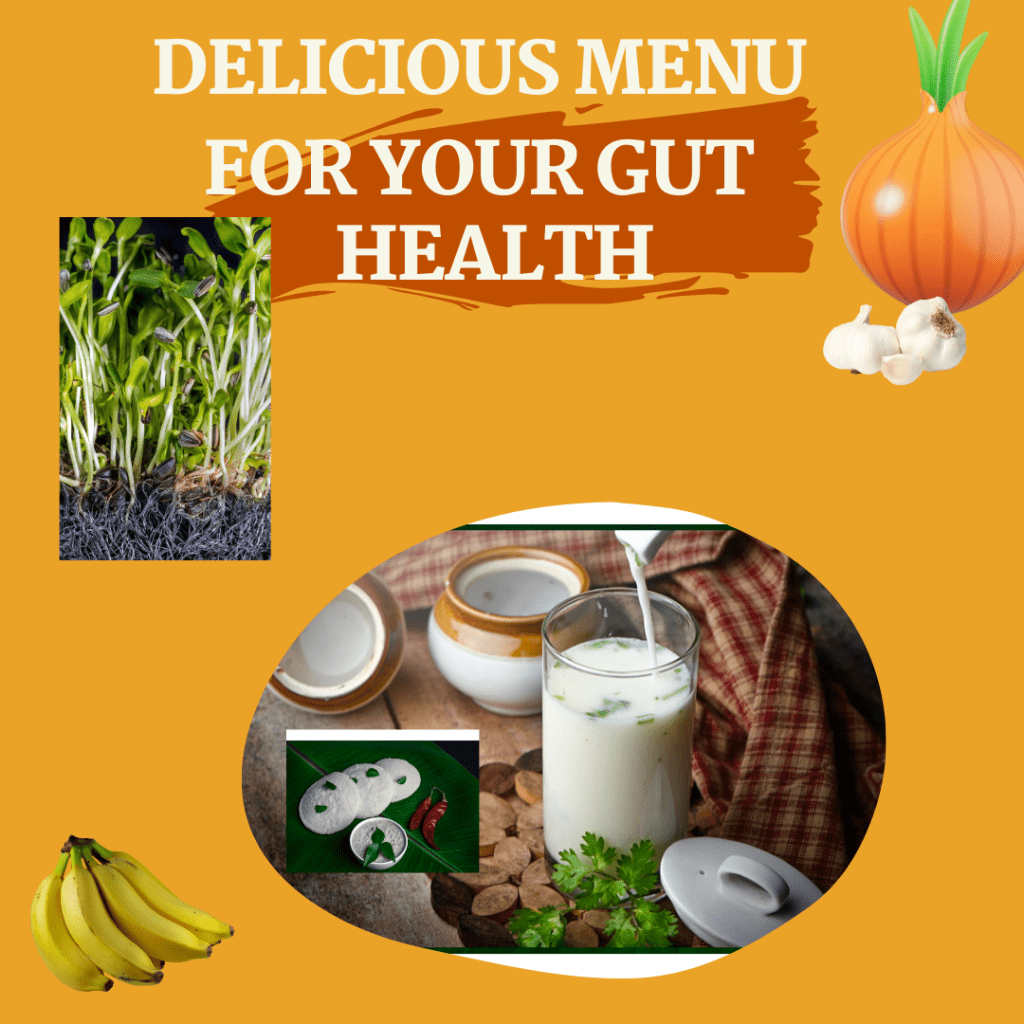
Probiotics are found in fermented foods such as:
- Yogurt
- Curd
- Kefir
- Kimchi
- Sauerkraut
- Miso
- Kombucha
When consumed regularly, probiotics help replenish and maintain good bacteria in the gut.
Natural Sources of Prebiotics
- Garlic
- Onion
- Banana
- Apple
- Oats
- Barley
- Chicory root
- Asparagus
- Lentils and legumes
A diet rich in prebiotic fibers ensures that probiotics can thrive and perform their functions efficiently.
When your gut is healthy, it sends positive messages to your brain, supporting emotional balance, mental clarity, and overall well-being. When it is unhealthy, it sends distress signals that affect both the mind and body.
By caring for your gut through the right foods and lifestyle choices, you are not just improving digestion—you are nurturing your mental health, emotional resilience, and inner intuition.
So the next time you listen to your gut feeling, remember: your second brain is speaking.